Description
Roller Rubber Coating: Precision Solutions for Every Industry
Rubber rollers are essential components across a broad spectrum of sectors, known for their adaptability, durability, and consistent performance. The process of roller rubber coating is fundamental to enhancing the functionality and resilience of these rollers, allowing them to perform in demanding conditions. By selecting the proper rubber roller materials, businesses can significantly extend equipment life and reduce downtime.
Rubber Roller Materials and Core Construction for Industrial Use
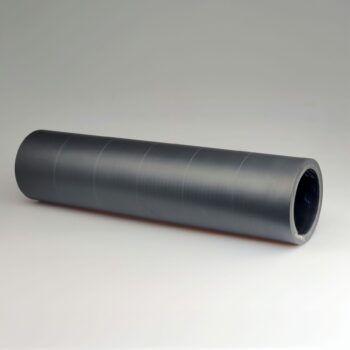
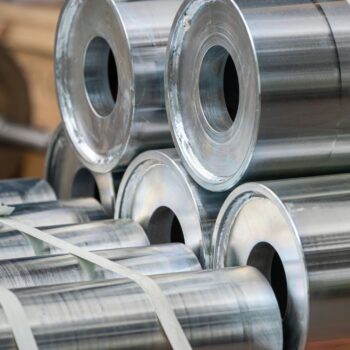
Each rubber roller begins with a precision-engineered core, most often manufactured from steel, aluminum, or other metal alloys. The quality of this core plays a crucial role in maintaining the structural integrity of the roller under mechanical stress. Over this core, various rubber compounds—including EPDM, NBR, silicone, and polyurethane—are applied using specialized manufacturing processes tailored to meet operational specifications.
These rubber compounds are engineered to offer specific benefits such as temperature resistance, chemical resistance, or enhanced friction. For example, EPDM is ideal for outdoor or UV-exposed environments, while NBR provides excellent resistance to petroleum-based substances.
Industrial Rubber Coating Technologies and Performance Advantages
One of the key advantages of the rubber roller lies in its adaptability to various sectors. In the paper industry, precision rubber rollers are used to apply consistent pressure and distribute ink or coating media uniformly. Their ability to perform under high temperatures and rapid speeds ensures sharp image reproduction and minimal material waste.
In packaging, plastics, and laminating operations, rubber-coated rollers are employed to handle fragile or sensitive materials. The rubber surfaces cushion impact, prevent slippage, and provide a high coefficient of friction, which is vital for material transport and alignment.
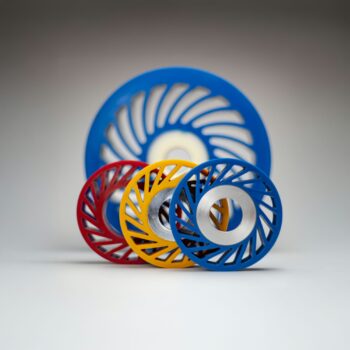
Meanwhile, rubberizing solutions tailored for grooved, smooth, or spongy rollers address specific machinery requirements. Custom profiles and surface finishes are developed to meet unique customer needs, especially for high temperature applications.
Rubber Coating Customization for Demanding Roller Applications
Every industrial setting demands a unique configuration of rubber properties. That’s why the selection and application of the rubber coating is critical. Whether it’s the use of natural rubber for its elasticity or synthetic alternatives like neoprene for their oil resistance, each solution is fine-tuned to match the task.
Rubber coating thickness, cover uniformity, and grooves pattern all influence how the rubber roller will perform in contact with different substrates. Choosing the right rubber compound not only improves performance but also extends the long service life of the equipment. This leads to reduced maintenance costs and better ROI across the lifespan of the roller.
Manufacturing Excellence in Rubber Rollers for Industrial Rubber Applications
The rollers are manufactured according to precise engineering standards to ensure flawless operation even under intense industrial rubber demands. PROEXPORT’s expertise in rubber roller production guarantees high quality and dimensional stability, regardless of roller complexity.
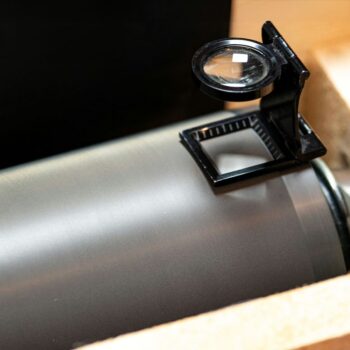
Customers benefit from full-cycle services including core design, rubber coating, surface grinding, and final inspection. PROEXPORT also specializes in repair and regeneration, breathing new life into worn or damaged rollers through advanced refurbishment techniques. This not only limits the need for purchasing many rollers but also aligns with sustainable industrial practices.
Rubber Roller Materials Selection and Resistance Properties
Choosing the appropriate materials is a pivotal factor in roller performance. High-resistance rubber compounds, reinforced steel cores, and specialty silicone coatings all contribute to durability in harsh working environments. Depending on the operational context, resistance to chemicals, mechanical wear, or heat can be prioritized.
The rubber-covered surface must maintain integrity under pressure, ensuring consistent function without deformation or loss of contact. That’s why each rubber roller is tested for resistance properties—be it thermal, chemical, or mechanical—to meet demanding industry standards.
Future-Ready Rubber Roller Applications Across Every Industry
With constant developments in industry, rubber rollers continue to evolve. Innovations include multi-layer rubber coating technologies, hybrid rubber compounds, and coatings tailored for emerging markets like green packaging or energy-efficient manufacturing. Whether the application is in transport, printing, varnishing, or material handling, modern rubber-covered rollers are built to perform reliably and efficiently.
Conclusion: High-Quality Roller Rubber Coating for Industrial Demands
The engineering of rubber rollers combines precise manufacturing processes, customized rubber compounds, and robust materials to produce essential components for countless roller applications. Through services such as custom coating, core production, and expert repair, companies like PROEXPORT provide reliable, high-performance rollers that support critical equipment functions and deliver measurable operational benefits.
By leveraging the right roller rubber coating, selecting optimal rubber materials, and maintaining the roller’s structural and surface integrity, businesses can ensure consistent productivity across a wide range of industries. In today’s competitive environment, investing in premium industrial rubber roller technology is not just a cost—it’s a strategic advantage.